
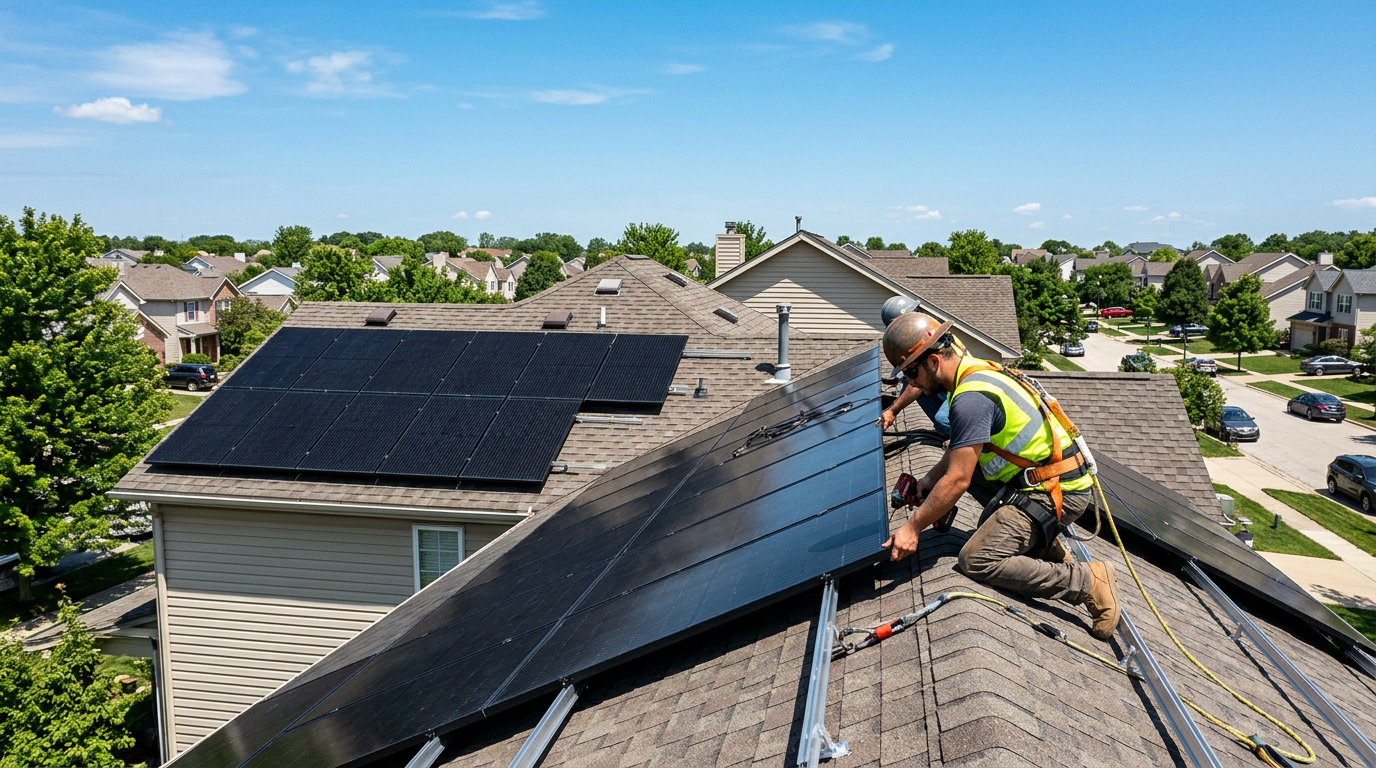
- System size in kilowatts, not just number of panels
- Equipment type , including panel brand and inverter type
- Roof location and layout assumptions
Shopping for home solar can feel simple at first: collect a few quotes, pick the lowest price, and sign. In practice, solar proposals are full of variables that make direct comparisons tricky.
Equipment quality, system size, roof assumptions, financing terms, and warranty coverage can all change the value of the deal.
→ Energy Revolution System — free, takes about 60 seconds.
S. trying to evaluate solar quotes, the goal is not just to find the cheapest offer. It is to understand what you are actually buying, what may cost extra later, and whether the installer’s plan fits your roof, electricity use, and long-term goals.
Start by making sure the quotes are comparable
Before looking at price, check whether each quote is designed around the same assumptions. Two proposals can look similar while describing very different systems.
Ask whether each quote includes the same:
- System size in kilowatts, not just number of panels
- Equipment type , including panel brand and inverter type
- Roof location and layout assumptions
- Estimated production in kilowatt-hours per year
We go deeper on this in this rundown — worth a read before you decide anything.
If one installer is quoting a much larger system, a different panel line, or a battery while another is not, the prices should not be treated as apples-to-apples. A lower quote may simply exclude features the other proposal includes.
Look beyond the headline price
→ See what you could be approved for — free, takes about 60 seconds.
Solar proposals often highlight a monthly payment or an upfront purchase price. Both matter, but neither tells the whole story. You need to know what is included and what could change over time.
Watch for common cost differences
- Equipment tier : Higher-efficiency panels may be more compact, while budget options may need more roof space.
- Inverter choice : String inverters, microinverters, and power optimizers can affect performance, shade tolerance, and future service needs.
- Battery storage : If included, clarify usable capacity, backup circuits, and what happens during outages.
- Permitting and interconnection : Some quotes bundle these costs; others may treat them as separate line items.
A quote that seems cheaper upfront may become less appealing if it leaves out monitoring, uses lower-grade equipment, or carries extra fees for paperwork and site conditions.
Sources & further reading
This article is for general information only and is not professional financial, legal, or medical advice.
Tom Bishop — Home & Safety Editor
Tom covers home security, improvement, and energy topics, comparing options on cost, reliability, and real-world performance so homeowners can decide with confidence.
Updated August 2026