
- System size , usually listed in kilowatts (kW)
- Estimated annual production , often in kilowatt-hours (kWh)
- Assumptions behind the estimate, such as roof direction, shading, and local weather
Comparing solar quotes can feel straightforward at first: one company shows a lower monthly payment, another promises better equipment, and a third says it can get you to zero electric bills.
But the lowest price is not always the best fit, and the most polished presentation is not always the clearest one.
→ Energy Revolution System — free, takes about 60 seconds.
, the most useful approach is to compare quotes the same way you would compare any major home project: by looking closely at what is included, what is not, and what could change later.
This guide walks through the parts of a solar quote that matter most so you can make a more informed decision without getting lost in sales language.
Start with the system size and expected production
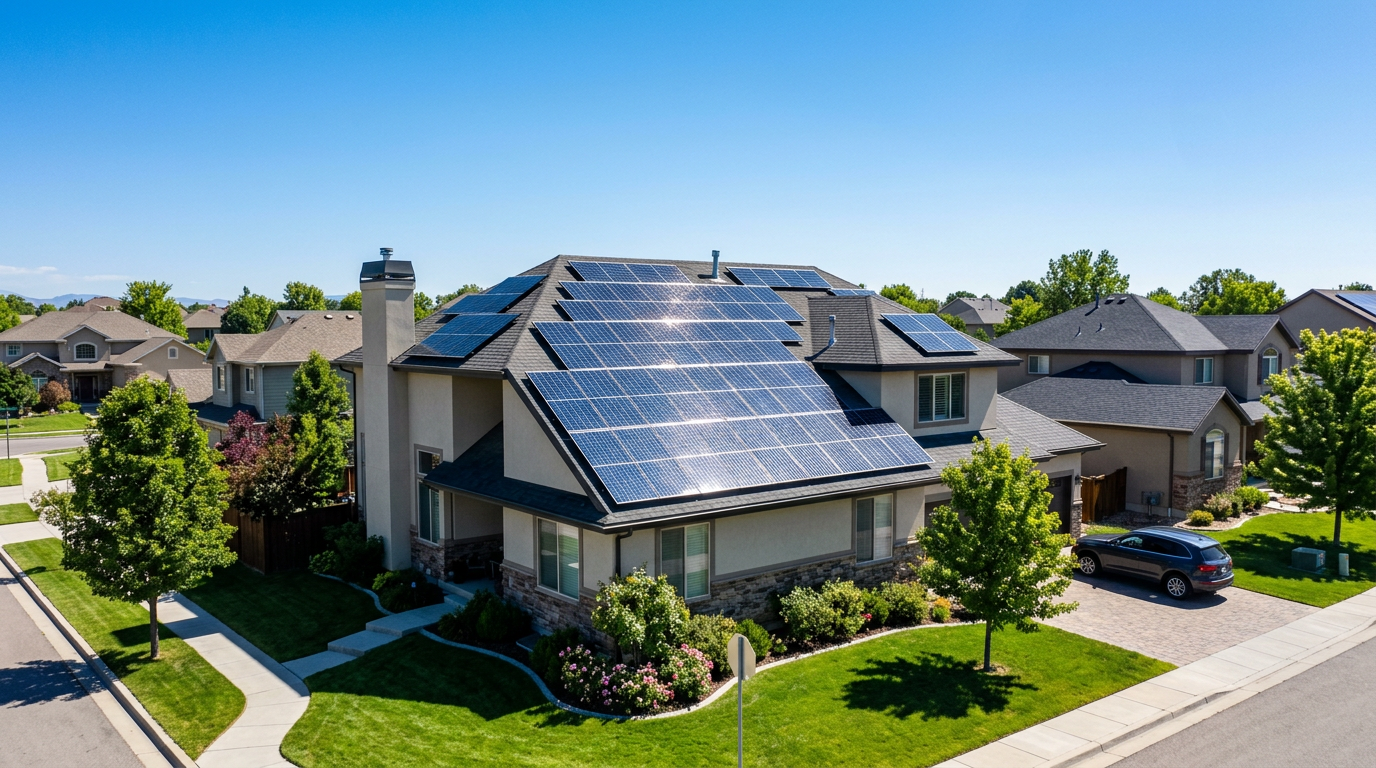
Every solar quote should explain the size of the system and the amount of electricity it is expected to produce. Those two details help you understand whether the proposal is sized for your actual household usage or simply for a generic roof estimate.
Look for:
We go deeper on this in the full breakdown here — worth a read before you decide anything.
- System size , usually listed in kilowatts (kW)
- Estimated annual production , often in kilowatt-hours (kWh)
- Assumptions behind the estimate, such as roof direction, shading, and local weather
A larger system is not automatically better. If a quote assumes unusually high production, ask how the company calculated it. Good installers should be able to explain whether the estimate reflects your roof, your utility rates, and your household consumption patterns.
→ See what you could be approved for — free, takes about 60 seconds.
Compare the equipment line by line
Two solar quotes may look similar on price but differ significantly in equipment quality, warranty coverage, and long-term reliability. The main items to compare are the panels, inverter, and mounting hardware.
Panels
Check the panel brand and model, along with the efficiency rating if it is listed. Higher efficiency does not always mean the best value for every home, but it can matter if your roof space is limited.
Sources & further reading
This article is for general information only and is not professional financial, legal, or medical advice.
Tom Bishop — Home & Safety Editor
Tom covers home security, improvement, and energy topics, comparing options on cost, reliability, and real-world performance so homeowners can decide with confidence.
Updated August 2026