
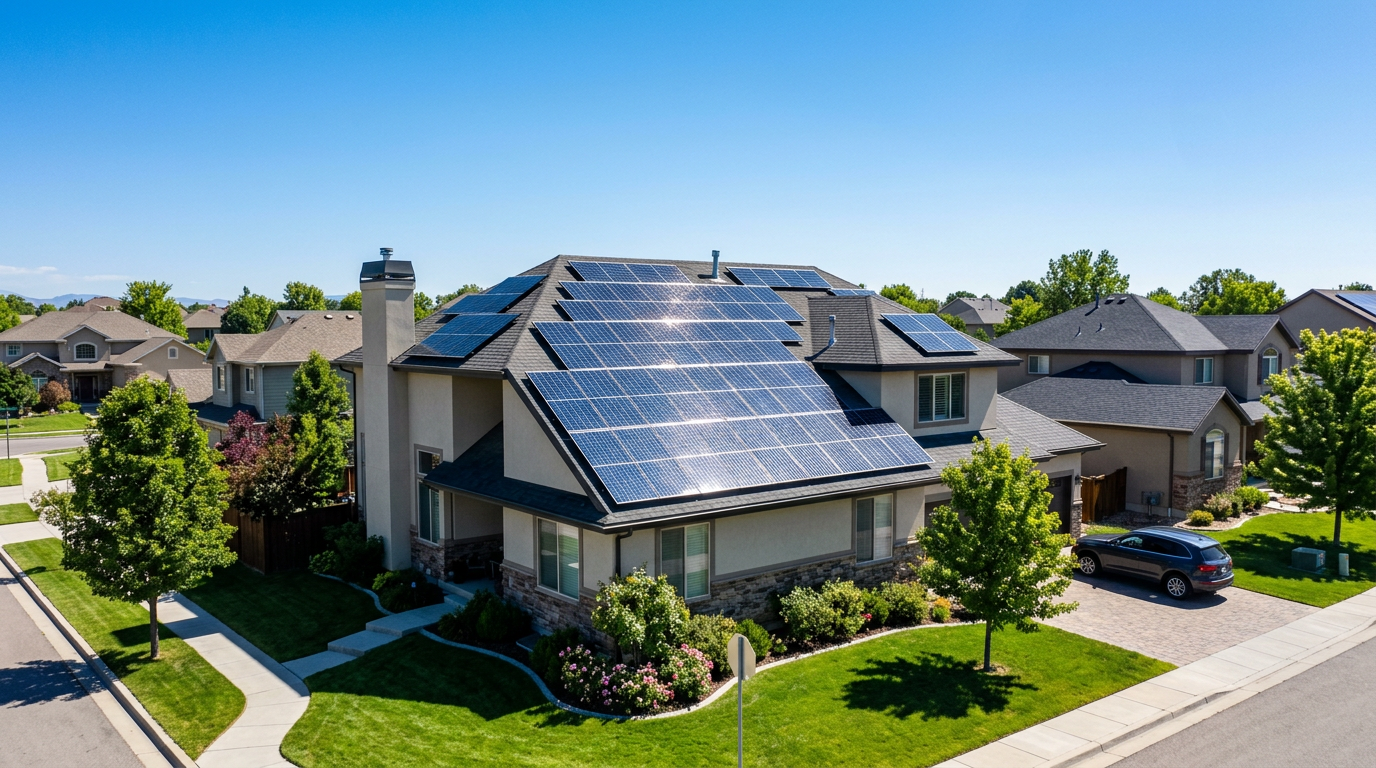
- When was the roof last replaced?
- Are there known leaks, soft spots, or missing shingles?
- Has a roofing contractor said the roof has only a few years left?
Before you start comparing solar quotes, it helps to answer a simpler question: is your roof actually a good fit for solar panels? A strong solar system depends on more than your utility bill.
Roof age, shade, direction, layout, and condition can all affect whether solar makes sense now or whether you should address the roof first.
→ Energy Revolution System — free, takes about 60 seconds.
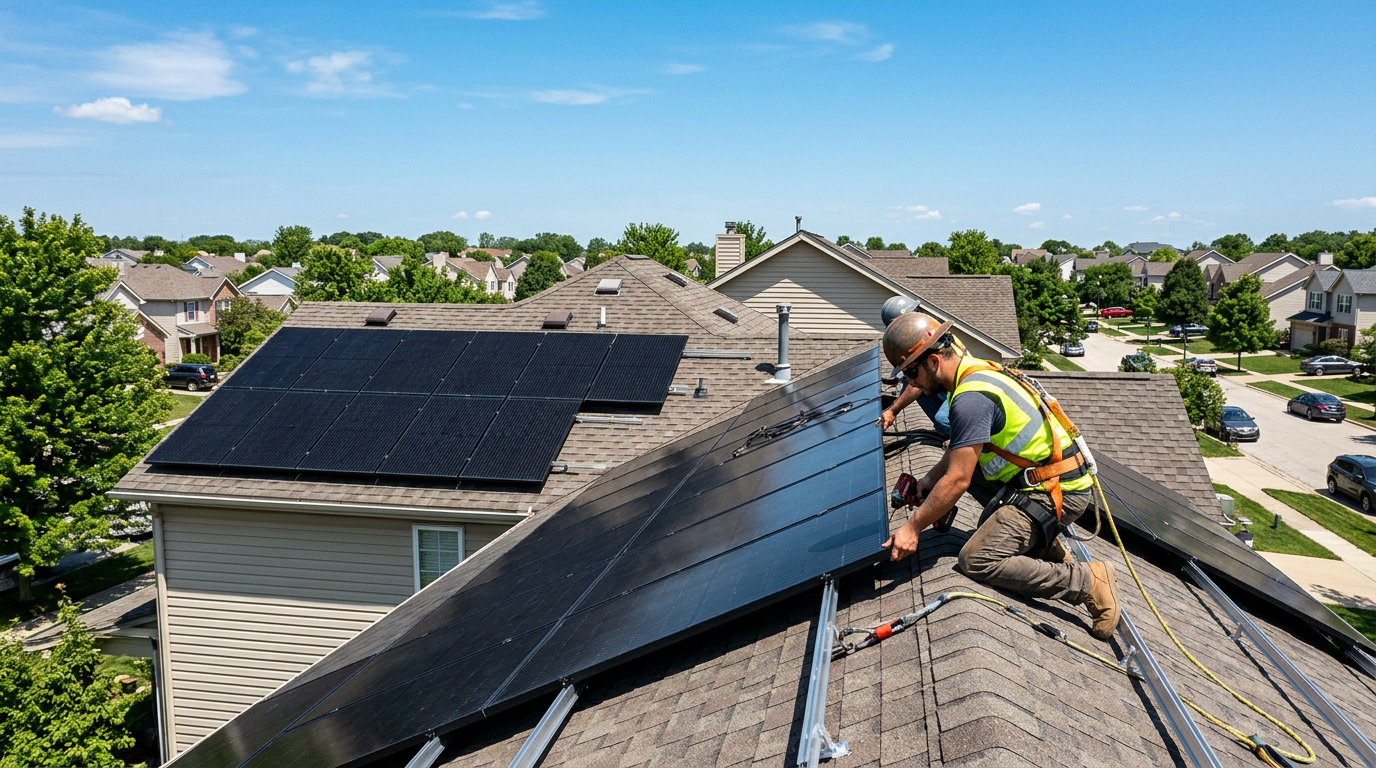
This matters because panels are typically installed for the long term. If a roof needs major work soon after installation, removing and reinstalling panels can add hassle and cost.
The goal is not to talk you into or out of solar, but to help you evaluate your roof honestly so you can compare options with fewer surprises.
Start with the roof’s age and remaining life
The first thing to consider is how much life is left in your roof. Solar panels may last for decades, so it is worth asking whether your roof can realistically support that timeline.
If your roof is near the end of its useful life, many homeowners choose to replace it before installing solar. That does not mean solar is off the table; it just means the order matters.
A newer roof can make the installation process smoother and reduce the chance that panels need to come off for repairs later.
We go deeper on this in how solar & energy actually works — worth a read before you decide anything.
Useful questions to ask yourself:
- When was the roof last replaced?
- Are there known leaks, soft spots, or missing shingles?
- Has a roofing contractor said the roof has only a few years left?
- Are there materials or design features that may complicate solar mounting?
→ See what you could be approved for — free, takes about 60 seconds.
If you are unsure, a roofing inspection can be a smart first step before getting solar proposals.
Check for shade throughout the day
Solar panels work best when they receive steady sunlight. That does not mean your roof must be perfectly unshaded, but the amount and timing of shade matter.
A roof that looks sunny at noon may still lose a lot of production if trees, dormers, chimneys, or nearby buildings block light in the morning or late afternoon.
For a practical check, look at your roof at different times of day. Notice where shadows fall and how long they stay. Seasonal changes also matter, since trees that seem harmless in winter may cast much more shade in summer.
If your roof has heavy shade, that does not automatically rule out solar. It may simply mean the system needs a different layout, microinverters, or in some cases a ground-mounted setup instead of rooftop panels.
Sources & further reading
This article is for general information only and is not professional financial, legal, or medical advice.
Tom Bishop — Home & Safety Editor
Tom covers home security, improvement, and energy topics, comparing options on cost, reliability, and real-world performance so homeowners can decide with confidence.
Updated August 2026