
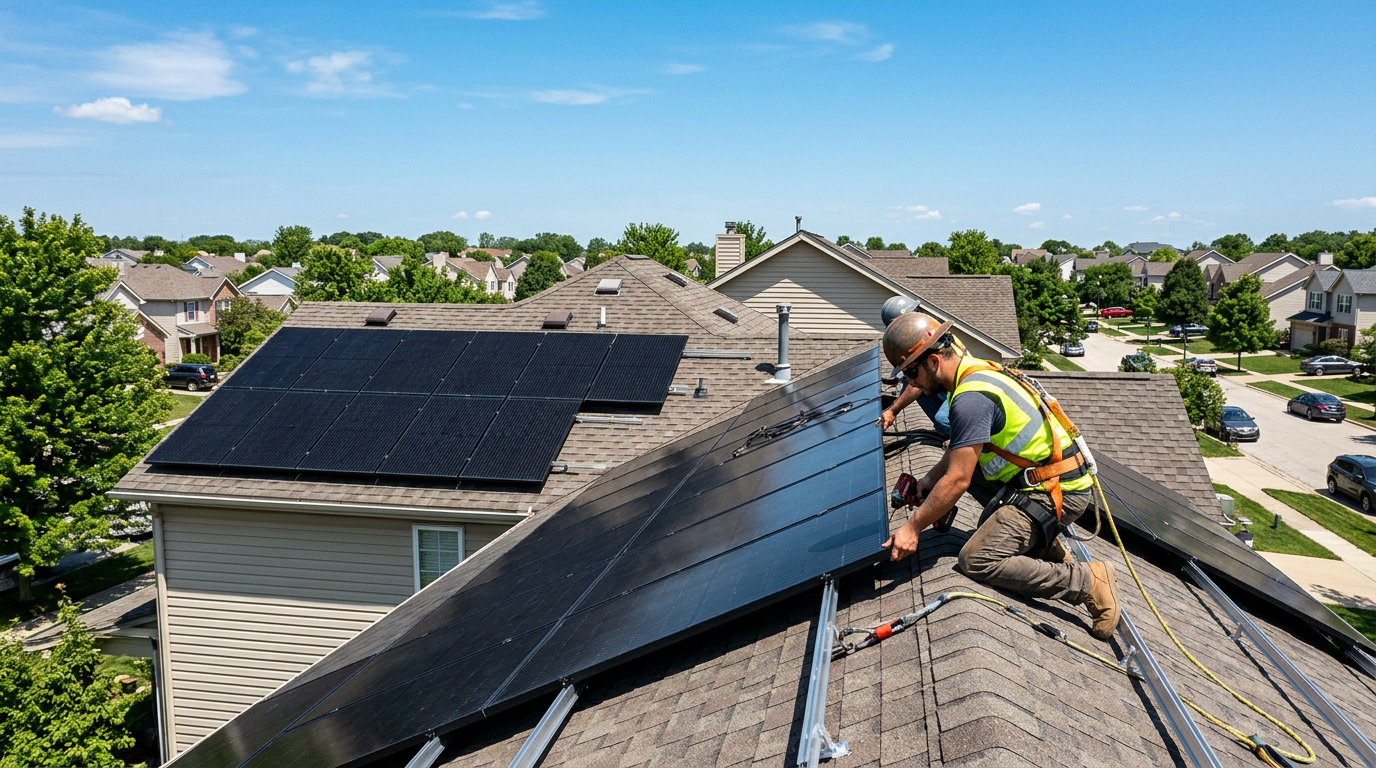
- System size in kilowatts, which shows the overall scale of the array
- Panel brand and model , so you can compare efficiency and warranty details
- Inverter type , since string inverters, microinverters, and power optimizers can affect performance and monitoring
Getting multiple solar quotes is a smart first step, but the numbers can be hard to compare at a glance.
One installer may lead with a low monthly payment, another with a bigger system size, and a third with a long warranty that looks reassuring until you read the fine print.
→ Energy Revolution System — free, takes about 60 seconds.
If you want a quote comparison that actually helps you make a decision, focus on what is included, what is excluded, and what happens after the installation is done.
This guide walks through the parts of a solar quote that matter most for US homeowners. It is not about finding the cheapest offer. It is about spotting differences that can affect performance, ownership, maintenance, and the long-term fit for your home.
Start by comparing the system, not just the price
Two solar quotes can look similar on cost while describing very different systems. Before you compare totals, confirm that each proposal uses the same basics: system size, equipment type, and estimated production.
A quote for a larger system may cost more, but it may also be designed to offset more of your usage. A cheaper quote may simply be smaller.
We go deeper on this in the details that matter — worth a read before you decide anything.
Look for these items on every proposal
- System size in kilowatts, which shows the overall scale of the array.
- Panel brand and model , so you can compare efficiency and warranty details.
- Inverter type , since string inverters, microinverters, and power optimizers can affect performance and monitoring.
- Estimated annual production , which should be explained in plain language.
→ See what you could be approved for — free, takes about 60 seconds.
If one quote has much higher estimated production than the others, ask why. The difference may come from panel placement, equipment, assumptions about shading, or an aggressive estimate. A trustworthy installer should be able to explain the methodology without pressure.
Check what the quote assumes about your home
A useful solar quote should reflect your actual property, not a generic home profile. If the installer did a remote estimate, make sure it is based on recent satellite imagery, utility bills, and roof measurements.
Ask whether the design assumes a roof replacement, tree trimming, or electrical upgrades. Those details can change the scope of the project.
Pay close attention to whether the proposal notes any potential obstacles such as shade, roof age, panel orientation, or panel spacing. A quote that ignores these issues may seem attractive, but it could be less realistic than one that includes them upfront.
Sources & further reading
This article is for general information only and is not professional financial, legal, or medical advice.
Tom Bishop — Home & Safety Editor
Tom covers home security, improvement, and energy topics, comparing options on cost, reliability, and real-world performance so homeowners can decide with confidence.
Updated August 2026