
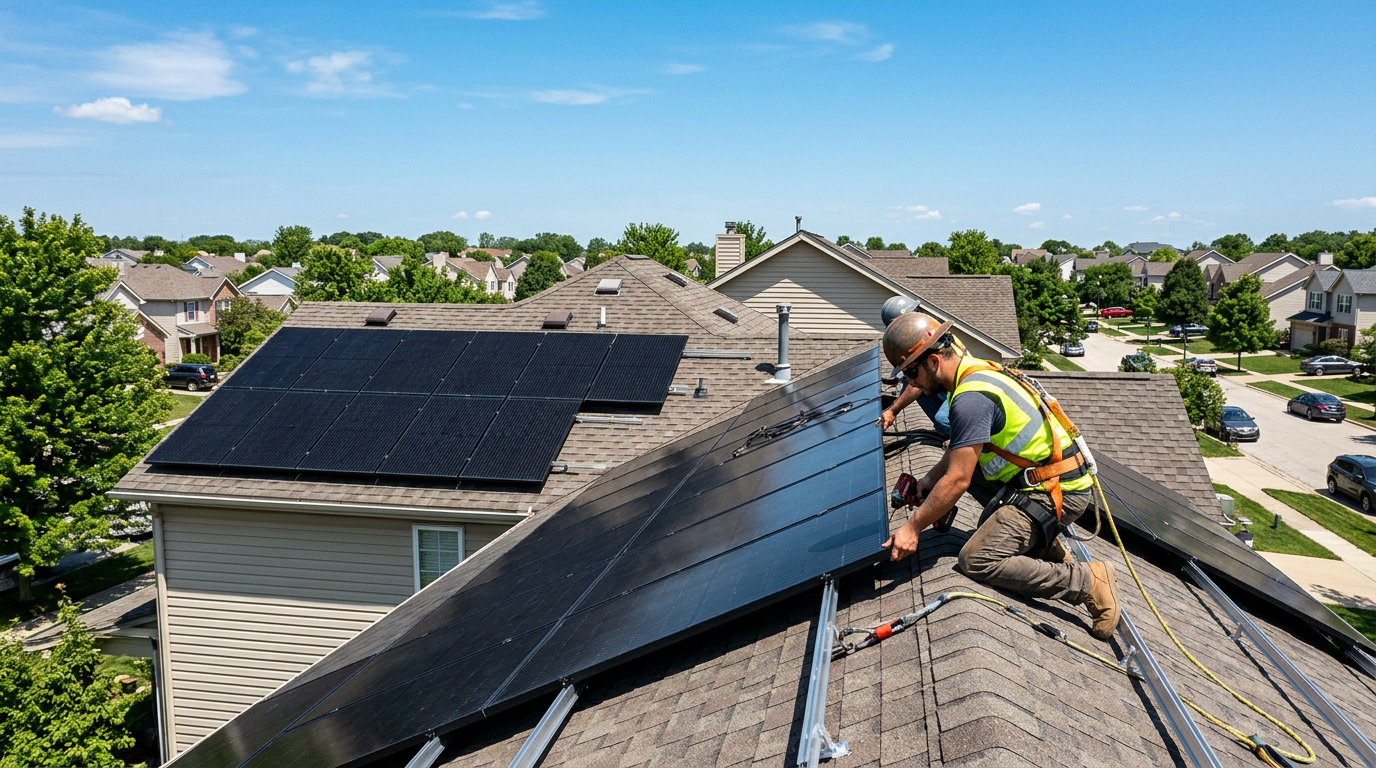
- What annual energy use was used to design this system?
- Did you account for shade, roof orientation, and available roof space?
- Is this designed to offset most of my usage or only part of it?
If you’ve requested a few solar quotes, you may notice they are not easy to compare. One proposal might look cheaper up front, another may include higher-end equipment, and a third may hide key details in the fine print.
The good news is that you do not need to be an engineer to evaluate them well. You just need a consistent way to review what each company is actually offering.
→ Energy Revolution System — free, takes about 60 seconds.
S. homeowner: equipment, system design, warranties, financing, and terms that can change the value of the deal. The goal is not to find the “best” solar company on paper, but the one that fits your home, budget, and expectations.
Start with the system size and what it is designed to do
The first thing to look for is the proposed system size, usually listed in kilowatts. That number tells you the approximate generating capacity of the array, but it does not by itself tell the full story.
A smaller system may be perfectly appropriate if your roof has limited space or your electricity use is moderate. A larger system may be unnecessary if the proposal assumes future usage that never happens.
Ask each installer how they determined the size of the system. A careful proposal should reflect your recent electric bills, roof layout, shading, and any changes you expect, such as adding an EV charger or electric heat pump.
We go deeper on this in what to look at first — worth a read before you decide anything.
If a quote seems much larger or smaller than the others, find out why before comparing price.
Questions to ask about system size
→ See what you could be approved for — free, takes about 60 seconds.
- What annual energy use was used to design this system?
- Did you account for shade, roof orientation, and available roof space?
- Is this designed to offset most of my usage or only part of it?
- Will the system leave room for future additions like an EV or battery?
Compare equipment, not just the price
Solar proposals can look similar at first glance, but the equipment inside them can be very different. Panels, inverters, optimizers, racking, and batteries all affect how the system performs and how it is serviced later.
A lower price may simply reflect lower-cost equipment, which is not automatically a bad thing. It just means you should know what you are getting.
For panels, look at the brand, model, and warranty term. For inverters, check whether the quote uses a string inverter, microinverters, or power optimizers. Each setup has tradeoffs.
Sources & further reading
This article is for general information only and is not professional financial, legal, or medical advice.
Tom Bishop — Home & Safety Editor
Tom covers home security, improvement, and energy topics, comparing options on cost, reliability, and real-world performance so homeowners can decide with confidence.
Updated August 2026