
- What data did you use to size the system?
- How much shading does the design assume?
- What annual output range should I expect?
If you are shopping for rooftop solar, the quote itself matters just as much as the headline price.
Two proposals can look similar at first glance but differ in equipment quality, warranty coverage, financing terms, and installation details that affect the long-term value of the system.
→ Energy Revolution System — free, takes about 60 seconds.
The goal is not to find the cheapest bid on paper, but to understand what each installer is actually offering.
A careful comparison can help you avoid surprises after signing. Before you decide, look beyond the monthly payment and ask what is included, what is excluded, and how the system is expected to perform over time.
Start with the system size and expected production
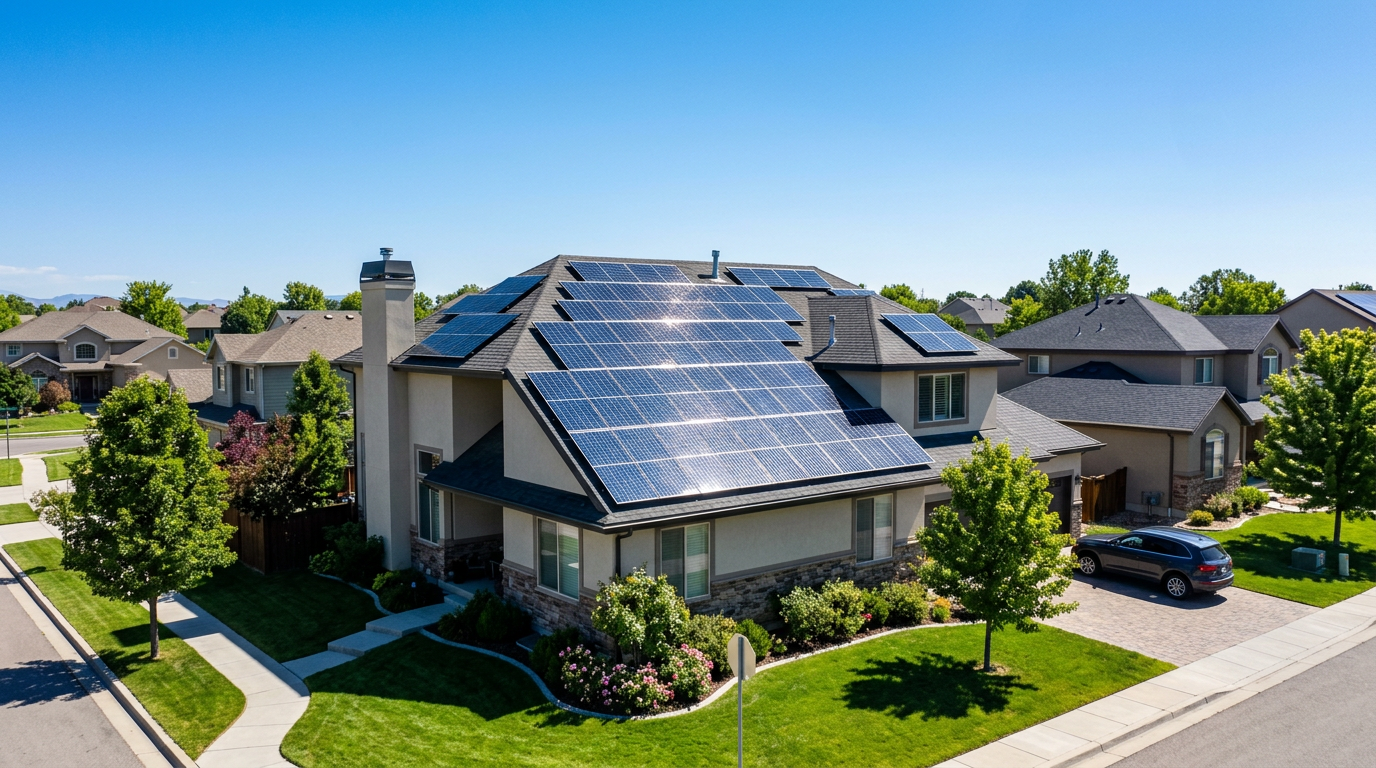
Solar quotes usually list the system size in kilowatts and give an estimate of annual energy production. Those two numbers are related, but they are not interchangeable.
A larger system is not always better if your home does not need that much electricity or your roof cannot support it efficiently.
Check whether the installer explains how the system size was determined. A thoughtful quote should account for your recent utility bills, roof orientation, shading, and local weather patterns. If one proposal predicts much higher output than the others, ask what assumptions were used.
We go deeper on this in how solar & energy actually works — worth a read before you decide anything.
It may reflect a more optimistic production model rather than a better system.
Questions to ask about production estimates
→ See what you could be approved for — free, takes about 60 seconds.
- What data did you use to size the system?
- How much shading does the design assume?
- What annual output range should I expect?
- Does the estimate account for panel degradation over time?
Compare the equipment line by line
Solar equipment is not one-size-fits-all. The brand and model of the panels, inverter, and other components can affect efficiency, reliability, and maintenance needs. A quote that simply says “premium equipment” is not very helpful. You want specific model numbers so you can research them independently.
Panels convert sunlight into electricity. Inverters convert that power into a form your home can use. Some systems use one central inverter, while others use microinverters or power optimizers on each panel. Each approach has tradeoffs.
For example, microinverters can offer more panel-level visibility, while a string inverter setup may have different maintenance characteristics.
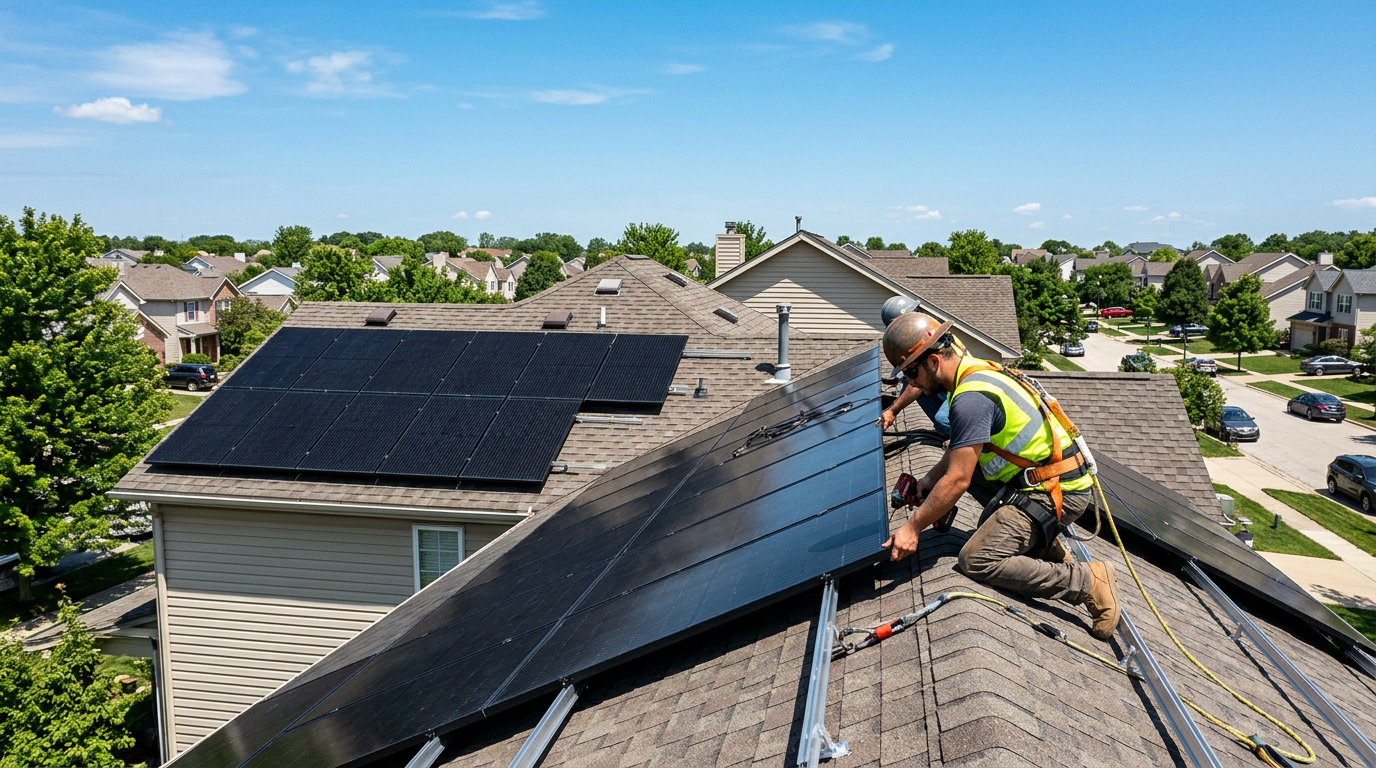
Also ask whether the quote includes roof work, mounting hardware, monitoring software, or an electrical panel upgrade. These items can affect the final price and are sometimes left out of the headline number.
Sources & further reading
This article is for general information only and is not professional financial, legal, or medical advice.
Tom Bishop — Home & Safety Editor
Tom covers home security, improvement, and energy topics, comparing options on cost, reliability, and real-world performance so homeowners can decide with confidence.
Updated August 2026