
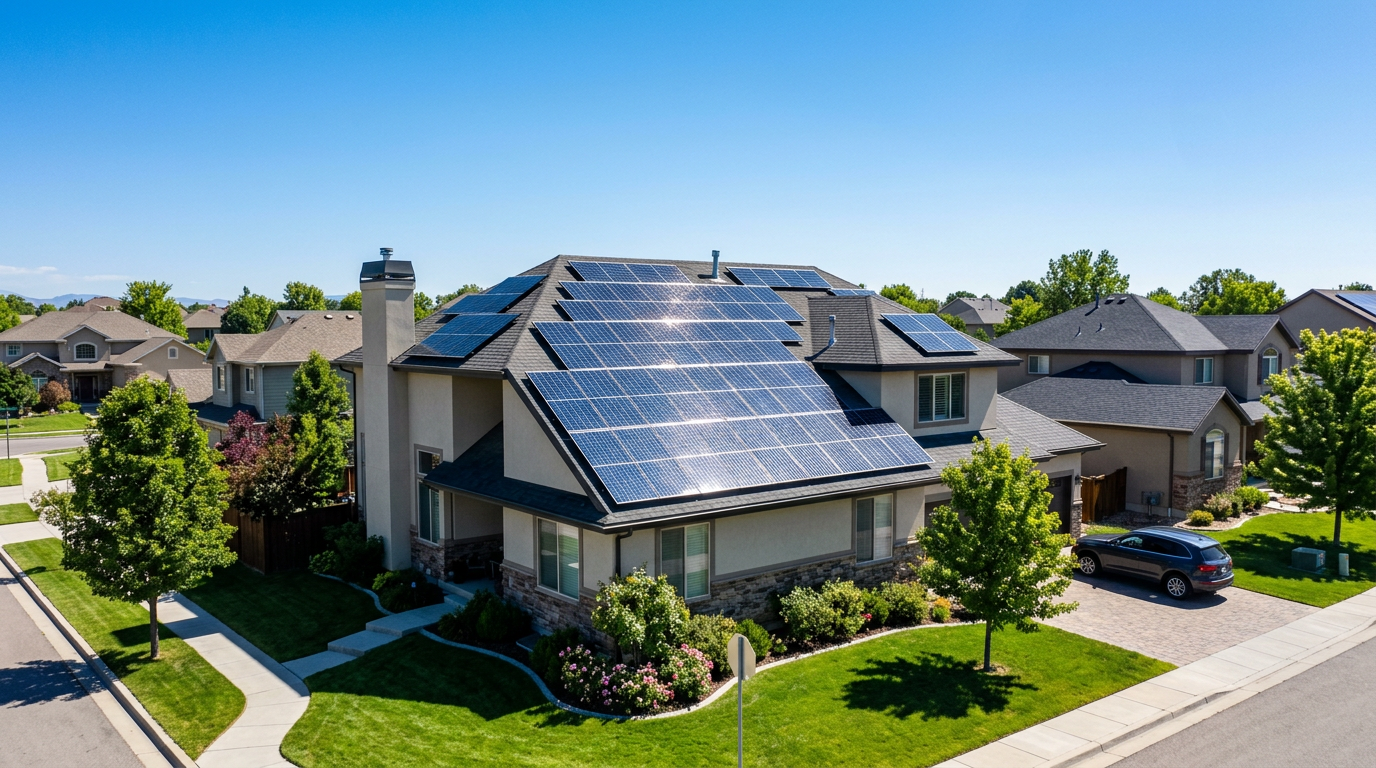
- System size in kilowatts, which indicates how much solar capacity is being installed
- Estimated annual production , usually in kilowatt-hours, which should reflect your roof, location, and usage patterns
- Panel and inverter brands , since equipment quality, warranty terms, and performance features can vary
If you are shopping for rooftop solar, the hardest part is often not deciding whether solar makes sense in general. It is figuring out which quote is actually the best fit for your home.
Solar proposals can look similar at first glance, but the details behind the numbers often change the real value of the system.
→ Energy Revolution System — free, takes about 60 seconds.
The good news: you do not need to be an engineer to compare bids well. You just need to know which parts of a quote matter, which ones are easy to overlook, and which questions force a clearer answer from the installer.
Start with the system design, not just the price
A solar quote should tell you more than a total cost. It should show what kind of system is being proposed and why. If two quotes differ in size, panel count, or equipment brands, they are not directly interchangeable.
Look for these basics:
- System size in kilowatts, which indicates how much solar capacity is being installed.
- Estimated annual production , usually in kilowatt-hours, which should reflect your roof, location, and usage patterns.
- Panel and inverter brands , since equipment quality, warranty terms, and performance features can vary.
- Roof layout , because placement can affect output, maintenance, and whether part of the roof is shaded.
If a quote only gives a monthly payment or a headline price, ask for the full design and assumptions behind it.
We go deeper on this in our solar & energy guide — worth a read before you decide anything.
A low price is not especially useful if the system is undersized for your needs or built with components you would not choose after a closer look.
Compare production assumptions carefully
→ See what you could be approved for — free, takes about 60 seconds.
One of the most important numbers in any solar proposal is the estimated production. That figure drives the rest of the financial projection, so it should be taken seriously.
If one installer says your roof will generate far more electricity than another installer predicts, ask why.
Estimates can differ because of shading, roof angle, local weather patterns, panel orientation, or how conservatively the company models the system. Some proposals also assume ideal conditions that may not match real life.
A useful way to review production claims is to ask for:
- The annual kilowatt-hour estimate
- The assumptions used to create that estimate
- Whether the estimate accounts for shade, roof obstructions, and inverter losses
- How the installer expects production to change over time
Sources & further reading
This article is for general information only and is not professional financial, legal, or medical advice.
Tom Bishop — Home & Safety Editor
Tom covers home security, improvement, and energy topics, comparing options on cost, reliability, and real-world performance so homeowners can decide with confidence.
Updated August 2026