
- your recent electric usage history
- the estimated annual production of the proposed system
- assumptions about roof direction, shade, and local weather
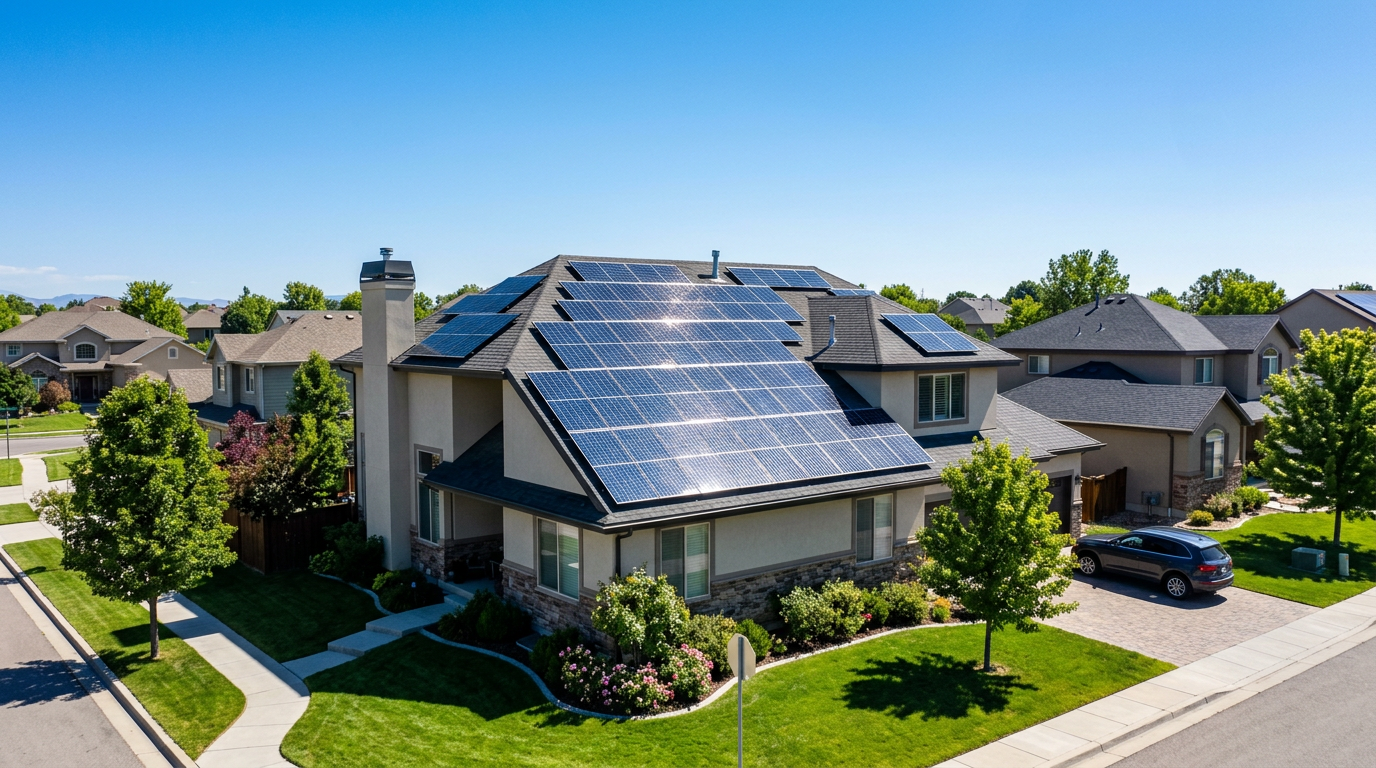
If you are shopping for home solar, the hardest part is not finding quotes. It is comparing them fairly. Two proposals can look similar at first glance while hiding important differences in equipment, warranty coverage, financing terms, and installation quality.
The best quote is not always the cheapest one; it is the one that clearly matches your home, budget, and long-term plans.
→ Energy Revolution System — free, takes about 60 seconds.
This guide focuses on the details that matter most when you are reviewing solar offers in the U.S. It is meant to help you ask better questions, avoid common misunderstandings, and judge proposals on more than just the headline price.
Start with the system size, not just the price
Solar quotes often begin with system size in kilowatts, but that number alone does not tell the full story. A larger system can cost more, yet it may also produce more electricity and better fit your usage.
What matters is whether the proposal is sized to your actual consumption and roof conditions.
Ask each installer how they determined the system size. A strong proposal should explain:
We go deeper on this in the full breakdown here — worth a read before you decide anything.
- your recent electric usage history
- the estimated annual production of the proposed system
- assumptions about roof direction, shade, and local weather
- whether the system is expected to offset all or only part of your bill
If one quote is much larger or smaller than the others, ask why. Sometimes that reflects a thoughtful design. Other times it means the company used a generic template rather than a home-specific analysis.
→ See what you could be approved for — free, takes about 60 seconds.
Compare equipment line by line
Panels and inverters are not interchangeable. Brands vary in efficiency, warranty terms, and reputation for support. A quote that uses familiar product names is not automatically better, but it should give you enough detail to judge quality.
What to check in the proposal
- Panel brand and model: Look for the exact product, not a vague description like “premium panels.”
- Inverter type: String inverters, microinverters, and power optimizers each have different tradeoffs.
- Performance estimate: Compare projected annual output, but remember it is still an estimate.
- Equipment warranty: Check how long it lasts and who handles claims.
Microinverters or optimizers can be useful on roofs with shading or multiple directions, while simpler inverter setups may be adequate for straightforward roofs. The point is not to choose the most expensive system; it is to choose the one that fits the site.
Sources & further reading
This article is for general information only and is not professional financial, legal, or medical advice.
Tom Bishop — Home & Safety Editor
Tom covers home security, improvement, and energy topics, comparing options on cost, reliability, and real-world performance so homeowners can decide with confidence.
Updated August 2026