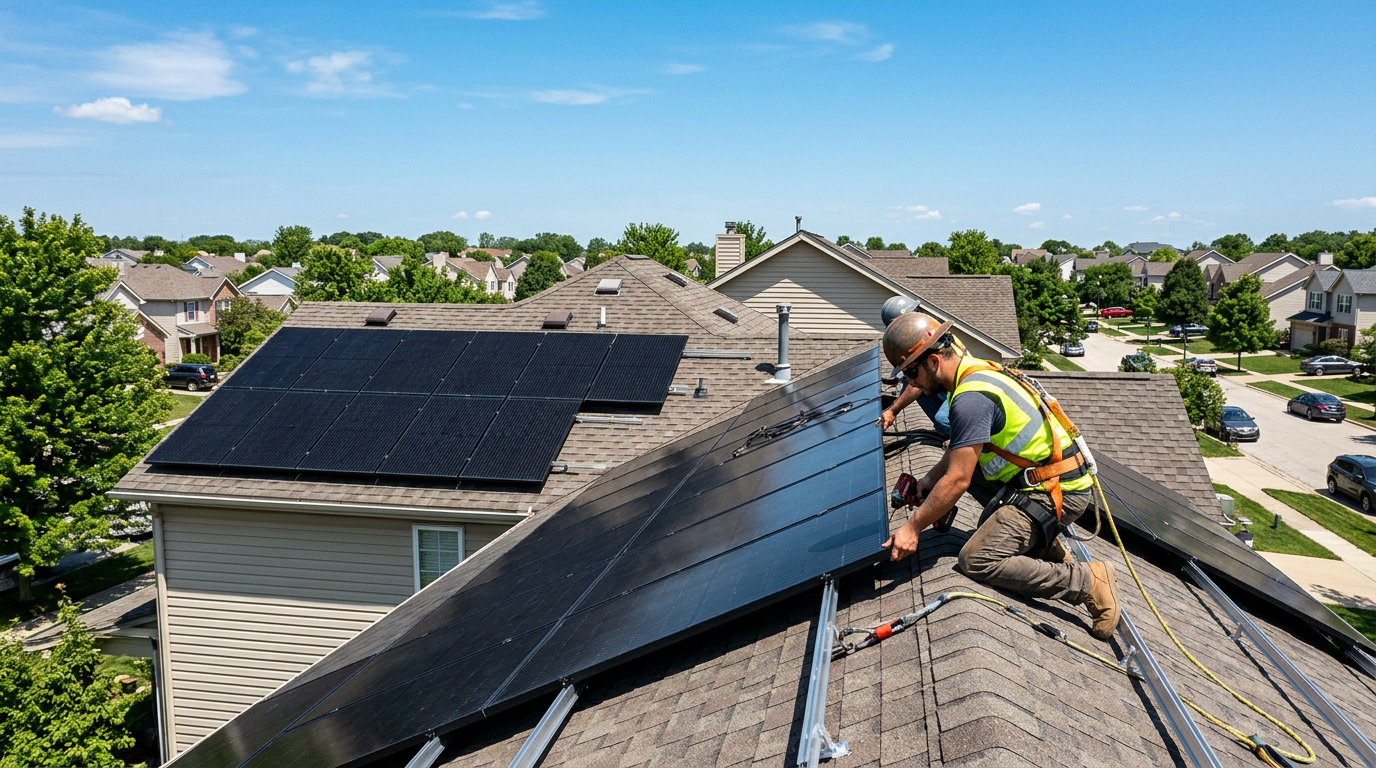
- Review whether you are leasing equipment, financing a purchase or buying power from a third party
- Ask how the contract handles maintenance, monitoring, warranties and system performance
- Check how utility billing, net metering or export credits affect the payoff period
Homeowners are taking a closer look at solar contracts, utility billing rules and installer promises before they sign.
New Consumer Guide Highlights What to Watch as Solar Decisions Get More Complicated
→ Energy Revolution System — free, takes about 60 seconds.
Y. — August 20, 2026 — As more homeowners compare rooftop solar options, consumer advisors say the biggest risk is no longer whether solar can work, but whether buyers fully understand the deal they are signing.
Changing utility policies, shifting state rules and increasingly complex financing offers are pushing shoppers to ask tougher questions before committing.
Consumer comparison brand Solar & Energy released a new homeowner-focused guide this week outlining the key issues shoppers should review before signing a solar lease, loan or power purchase agreement.
The guide is designed to help consumers spot contract terms that can affect long-term savings, resale flexibility and monthly billing.
The timing is important. In many markets, the economics of solar still depend on local factors such as roof condition, utility rates, incentive availability, battery storage needs and how exported power is credited.
At the same time, consumers are seeing more bundled offers that include maintenance, monitoring and performance guarantees, making it harder to compare proposals side by side.
Industry observers say one of the most common mistakes is focusing only on the advertised monthly payment or projected savings.
→ See what you could be approved for — free, takes about 60 seconds.
Experts recommend checking who owns the equipment, how much control the homeowner has over repairs and what happens if the home is sold before the agreement ends.
Industry Analyst said homeowners should treat solar like any other major financial commitment: “The most important details are often in the fine print. Consumers need to understand billing, escalation clauses, transfer rules and whether the system can still make sense if utility policies change.”
The consumer guide also flags the growing importance of battery storage. In areas where outages, time-of-use rates or reduced export credits are a factor, storage can improve resilience and help households use more of their own solar production.
But it also adds cost and complexity, which means buyers should compare the total package rather than the panel price alone.
Another focus is seasonal timing. Many homeowners begin shopping in spring and summer when installation demand rises, but experts say consumers should use any season to review roof age, shade, insurance coverage and permitting timelines before signing.