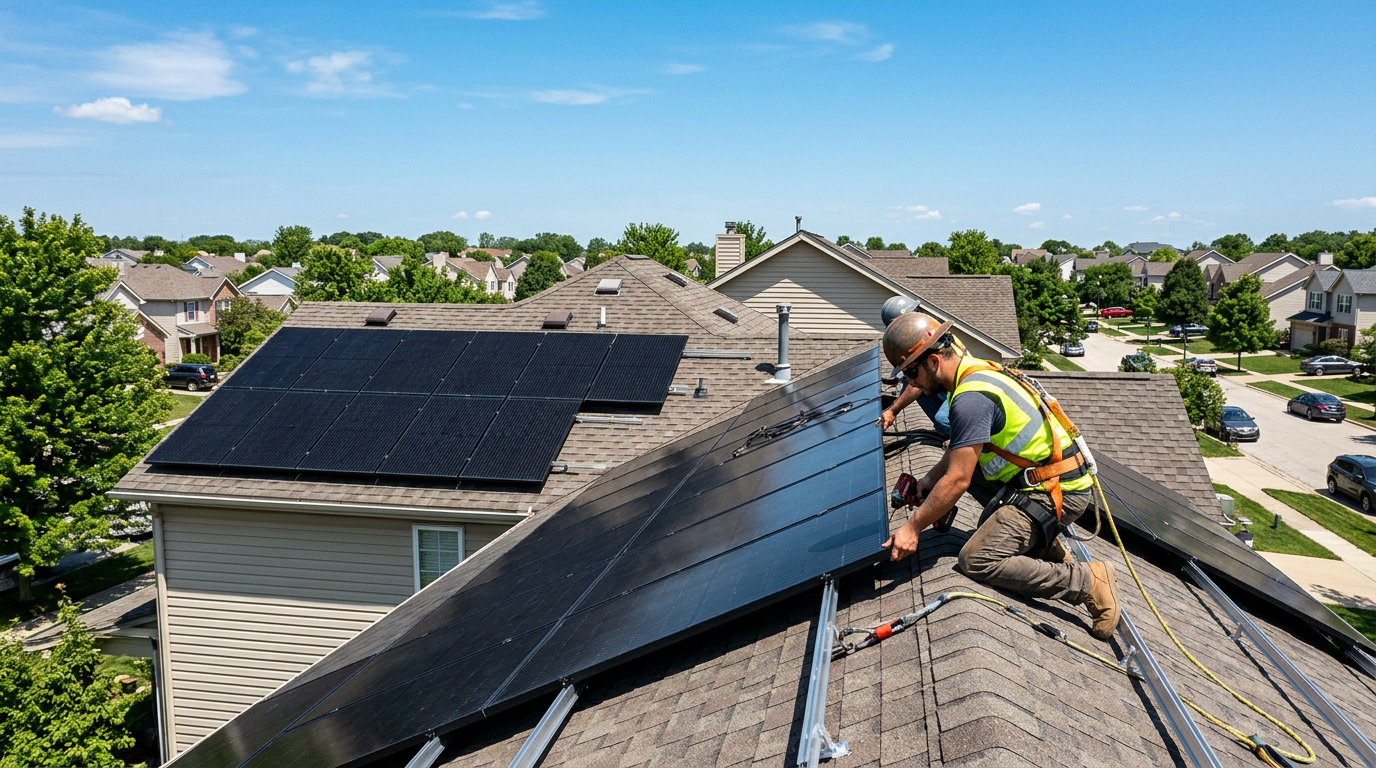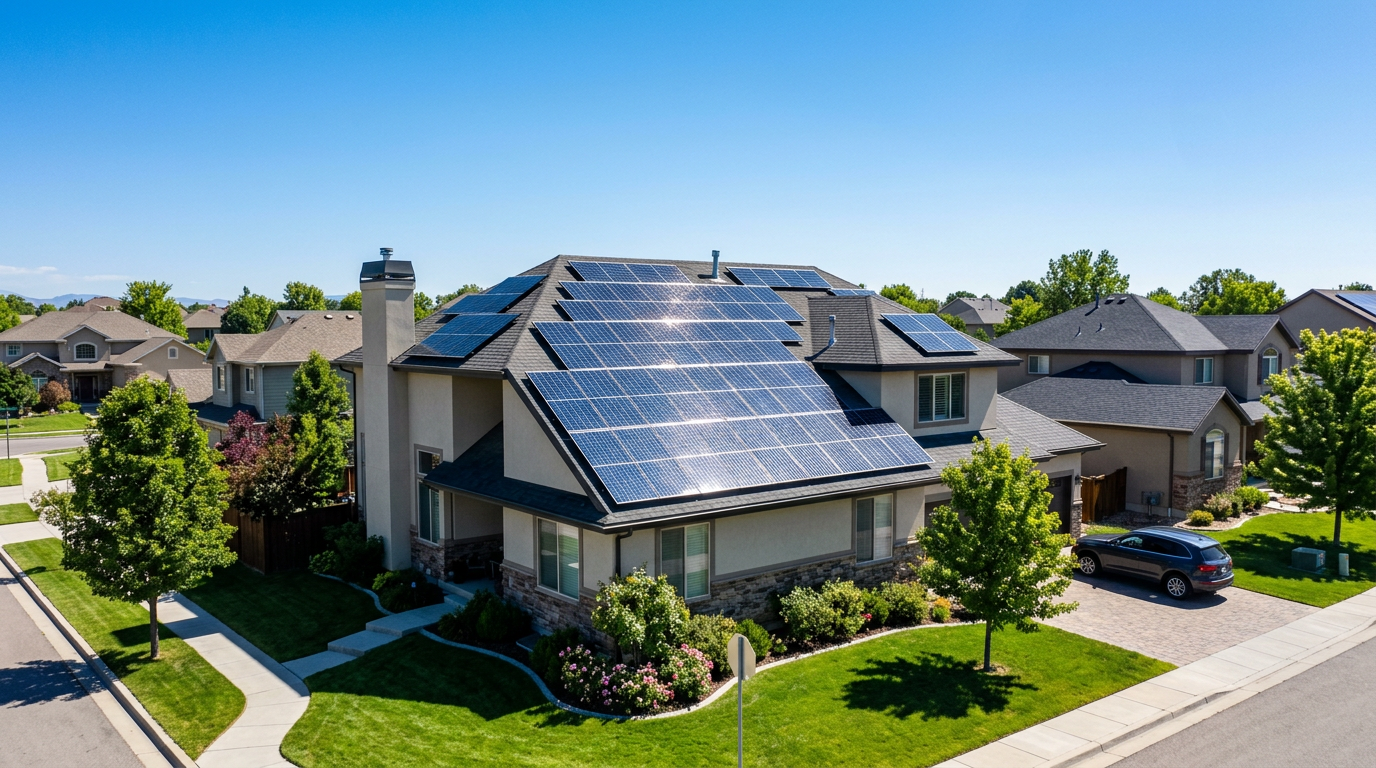
- Solar offers are increasingly shaped by local utility rules and billing changes
- Consumers should compare contracts, not just advertised monthly payments
- Net metering, fees and seasonal output can affect real savings
New Solar Rule Changes Are Pushing Homeowners to Rethink Rooftop Plans
Homeowners are asking tougher questions as utility rules shift, solar offers get more complex, and winter savings become harder to predict.
→ Energy Revolution System — free, takes about 60 seconds.
PHOENIX, Ariz. — August 18, 2026 — A growing number of consumers are approaching rooftop solar with more caution as utility programs, billing structures and local interconnection rules continue to evolve, according to a new consumer advice review in the Solar & Energy category.
The shift is especially noticeable among homeowners comparing lease, loan and purchase options before committing to a long-term energy contract.
Industry watchers say the biggest change is not that solar has become less attractive, but that the decision now depends more heavily on the details. Net metering policies can affect how much credit customers receive for excess power sent to the grid.
Utility add-on charges may also change the math. And for households that expect solar to offset a large share of winter bills, seasonal production patterns can still create surprises.
The new guide urges consumers to slow down and compare offers line by line. That means checking whether a proposal includes roof work, monitoring fees, escalation clauses, battery options or minimum bill requirements.
It also means confirming how much of the estimate is based on current utility rates, since those rates can change over time.
Experts say the trend is prompting more homeowners to treat solar as both an energy upgrade and a financial product.
Industry Analyst said, “People are still interested in solar, but they are more careful about the fine print.
→ See what you could be approved for — free, takes about 60 seconds.
Consumer advocates recommend that shoppers also review the installer’s warranty terms, equipment brand details and service response policies. If batteries are included, buyers should ask what the backup system is designed to support and how it behaves during outages.
For households in regions with snow, heavy clouds or tree cover, production estimates should be viewed as directional, not guaranteed.
The timing matters. With many families watching monthly energy bills closely, solar can look more appealing during periods of high electricity demand. But that same pressure can make it easier to miss contract terms that affect long-term value.
The current market favors consumers who compare several bids, read the disclosure pages carefully and ask how each offer handles local rules.
Key takeaways: