
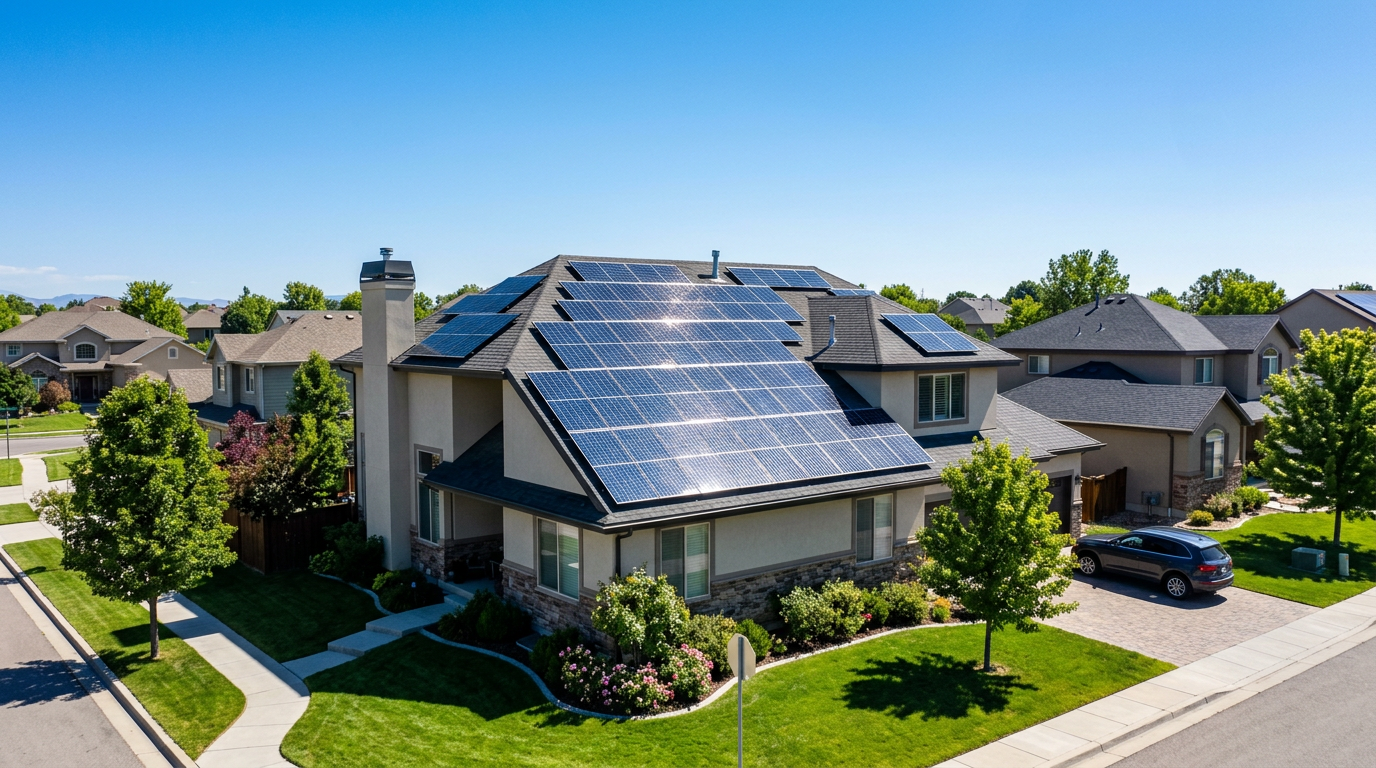
- Budget simplicity: If you want a simpler setup with less roof dependence, a standalone battery tied to the grid can be easier to understand
- Battery-only: Good for immediate backup and simpler installation, but it does not create new energy
- Generator: Often useful for longer outages, but it relies on fuel and does not offer the same quiet, automatic operation as a battery
” For many homeowners, the real decision is whether to buy a battery backup system on its own or pair it with rooftop solar.
The right answer depends on what you want backup power to do: keep a few essentials running during an outage, reduce reliance on the grid, or help manage your electric bill over time.
→ Energy Revolution System — free, takes about 60 seconds.
Here’s a practical way to think about the options before you talk with installers or compare quotes.
Start with your main goal
Before comparing equipment, decide what problem you’re trying to solve. A battery and solar panels can both support resilience, but they work differently.
- Outage backup: If your main concern is keeping lights, internet, refrigeration, or medical devices on during a blackout, a battery may be the key component.
- Daily energy use: If you want to offset some of your electricity use during normal operation, solar panels matter more because they generate power during the day.
- Longer resilience: If you want a system that can recharge itself when the sun is out, solar plus battery is usually more flexible than battery-only backup.
- Budget simplicity: If you want a simpler setup with less roof dependence, a standalone battery tied to the grid can be easier to understand.
One useful rule: batteries store power, while solar panels produce it. That difference shapes everything from cost to how long your backup can last.
What a battery-only system can do
We go deeper on this in how solar & energy actually works — worth a read before you decide anything.
A home battery by itself can provide backup power when the grid goes down, even if you do not have solar panels.
In a grid-connected home, the battery charges from utility power when electricity is available and discharges during an outage or when programmed to help manage usage.
→ See what you could be approved for — free, takes about 60 seconds.
Where battery-only backup makes sense
This setup can be a good fit if you live in an area with outages but have limited roof space, shading issues, or a roof that is not well suited to panels.
It can also appeal to homeowners who want backup for specific circuits rather than a whole-home system.
Battery-only systems may be easier to install than a full solar-and-storage project, but they do not generate electricity on their own.
That means after an extended outage, you still depend on the grid to recharge unless you have another source, such as a generator or portable solar equipment.
Sources & further reading
This article is for general information only and is not professional financial, legal, or medical advice.
Tom Bishop — Home & Safety Editor
Tom covers home security, improvement, and energy topics, comparing options on cost, reliability, and real-world performance so homeowners can decide with confidence.
Updated August 2026