
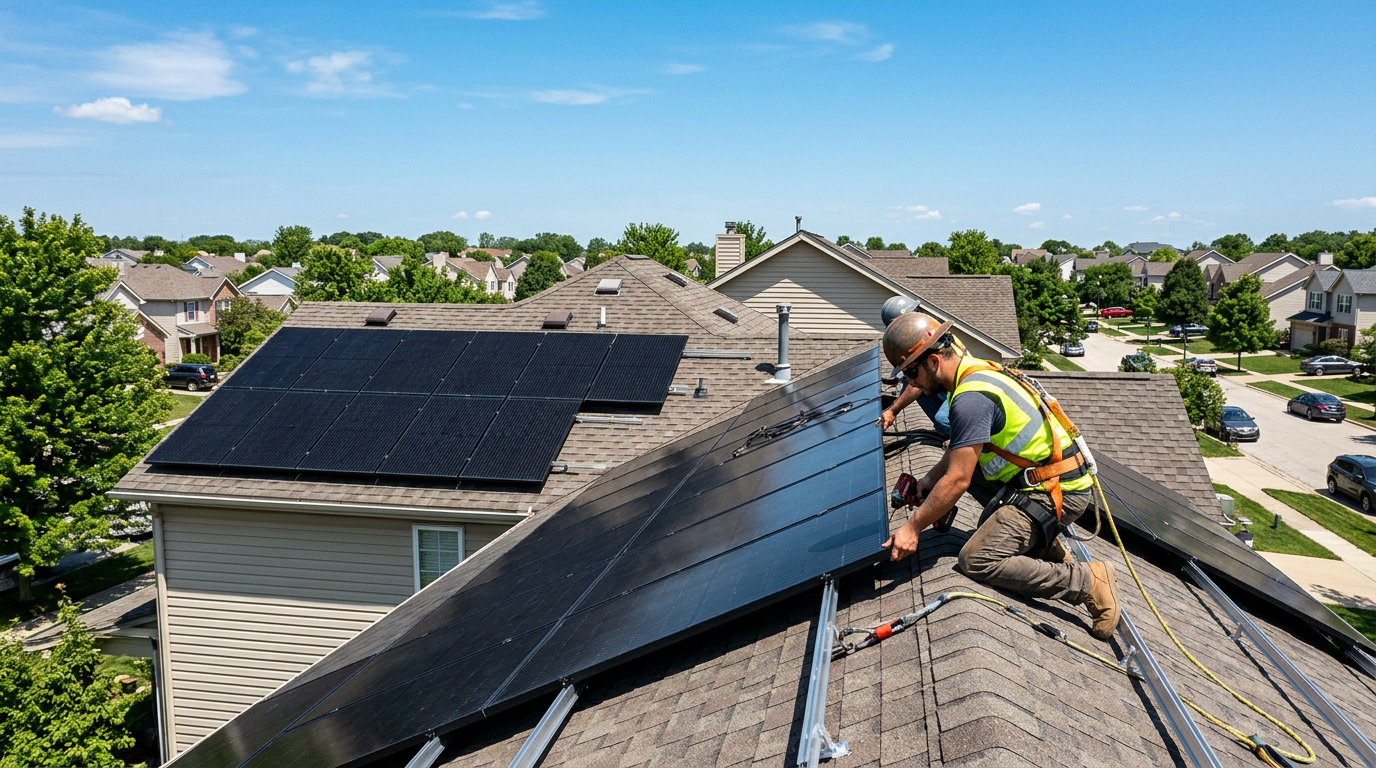
- System size in kilowatts, which shows the overall capacity of the array
- Panel brand and model , since not all panels perform or degrade the same way
- Inverter type , such as string inverters or microinverters, which can affect monitoring and performance
If you’re shopping for home solar, the hardest part is often not deciding whether solar makes sense, but figuring out how to compare one quote with another.
Two proposals can look similar at first glance and still differ in equipment quality, financing terms, roof work, and what’s actually included in the price.
→ Energy Revolution System — free, takes about 60 seconds.
A careful comparison helps you avoid surprises later. The goal is not to find the cheapest quote on paper, but the one that best matches your roof, energy use, budget, and long-term plans.
Start by comparing the system itself
Before you look at price, make sure you understand what each proposal is offering. A solar quote should tell you the system size, panel model, inverter type, and expected production. If those details are missing, ask for them.
Look for these basics:
- System size in kilowatts, which shows the overall capacity of the array.
- Panel brand and model , since not all panels perform or degrade the same way.
- Inverter type , such as string inverters or microinverters, which can affect monitoring and performance.
- Estimated annual production , ideally explained with assumptions about roof orientation, shading, and local weather.
We go deeper on this in what to look at first — worth a read before you decide anything.
It helps to compare quotes on an apples-to-apples basis. A lower-priced system may simply be smaller, use different equipment, or exclude items that another installer bundled in.
Check what is included in the price
→ See what you could be approved for — free, takes about 60 seconds.
One of the most common mistakes is assuming every line item is included in the quoted total. In reality, some proposals leave out costs that can matter later. Ask each installer to spell out what the price covers and what could change it.
Common items to verify
- Permitting and interconnection with your utility and local jurisdiction.
- Installation labor and standard mounting hardware.
- Electrical upgrades , such as a main panel replacement or breaker work, if needed.
- Roof repairs or reroofing , if the roof is near the end of its life.
Be especially cautious if a quote looks much lower than the others. It may still be legitimate, but it could also be missing costs that appear after a site inspection or during permitting.
Sources & further reading
This article is for general information only and is not professional financial, legal, or medical advice.
Tom Bishop — Home & Safety Editor
Tom covers home security, improvement, and energy topics, comparing options on cost, reliability, and real-world performance so homeowners can decide with confidence.
Updated August 2026