
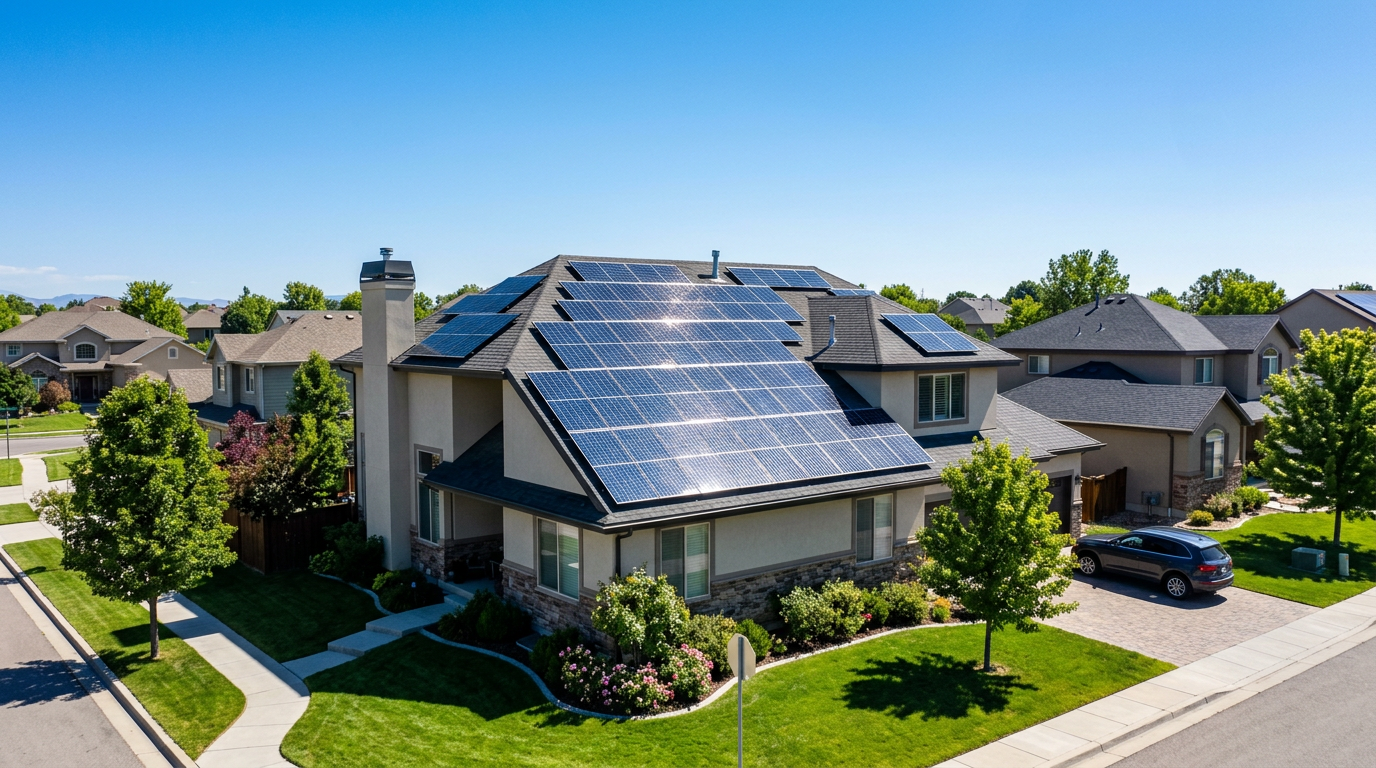
- Solar can lower dependence on the grid, but not every system provides outage protection
- Battery storage and backup design are increasingly important in consumer solar shopping
- Utility rules and local incentives can affect the value of a solar installation
More homeowners are looking beyond solar savings and asking whether their systems will still keep the lights on during an outage.
New consumer guide spotlights a shift in solar buying priorities
→ Energy Revolution System — free, takes about 60 seconds.
CITY, State — Month Day, Year — As utility bills stay top of mind and severe weather continues to expose weaknesses in local power grids, a growing number of consumers are rethinking what they want from rooftop solar.
The latest consumer advice from a comparison brand focused on solar and home energy options says the biggest question is no longer only how much a system can offset on monthly bills, but whether it can deliver reliable backup power when the grid goes dark.
That shift is happening at the same time many homeowners are facing more complex solar decisions. Net metering rules, utility interconnection requirements and evolving state incentives can change the value of a solar purchase depending on where a customer lives.
For shoppers comparing options, that means the right system is increasingly about more than panels alone. Batteries, load management and installer support are becoming part of the decision.
Industry analysts say the growing interest in backup-ready systems is a practical response to changing conditions, not a trend driven by hype.
We go deeper on this in our solar & energy guide — worth a read before you decide anything.
Consumers who once viewed solar primarily as a savings tool are now asking whether a system can power essentials like refrigeration, medical devices, internet service and lighting during brief or extended outages.
Industry Analyst said the market is moving toward resilience as a core feature, not an add-on. “Consumers are becoming more informed about what solar can and cannot do during an outage.
→ See what you could be approved for — free, takes about 60 seconds.
The smartest shoppers are comparing whole-home energy plans, not just panel quotes, because utility policies, battery options and installation quality can materially change the experience after the sale,” the analyst said.
For consumers, the practical takeaway is simple: read the fine print before signing. A solar array without battery storage may still shut down during a blackout for safety reasons.
Some systems can be configured for backup use, while others are designed only to reduce daytime grid consumption. That difference can surprise buyers who assume solar automatically equals outage protection.
Seasonal weather also matters.
As summer heat, wildfire risk and hurricane season put more pressure on local grids, shoppers are increasingly asking installers how long backup systems can support essential loads, how charging works after cloudy days and whether any equipment upgrades will be needed later.
Sources & further reading
This article is for general information only and is not professional financial, legal, or medical advice.
Tom Bishop — Home & Safety Editor
Tom covers home security, improvement, and energy topics, comparing options on cost, reliability, and real-world performance so homeowners can decide with confidence.
Updated August 2026