
- You want to start generating your own power right away
- Your utility offers favorable credit for exported solar electricity
- You’re mainly trying to reduce daytime electric use
If you’re considering home solar, one of the most common questions is whether to start with panels or add a battery first.
The answer depends less on what is “better” in general and more on what problem you want to solve: lowering monthly electric use, getting backup power during outages, or making the most of rooftop solar production.
→ Energy Revolution System — free, takes about 60 seconds.
For many homeowners, panels come first because they generate electricity. For others, a battery is the more urgent upgrade because it can keep essentials running when the grid goes down.
Before you compare quotes, it helps to understand what each piece does, what it does not do, and how the two work together. That way, you can focus on the setup that matches your home, budget, and utility rules.
What solar panels do, and why they’re often the first step
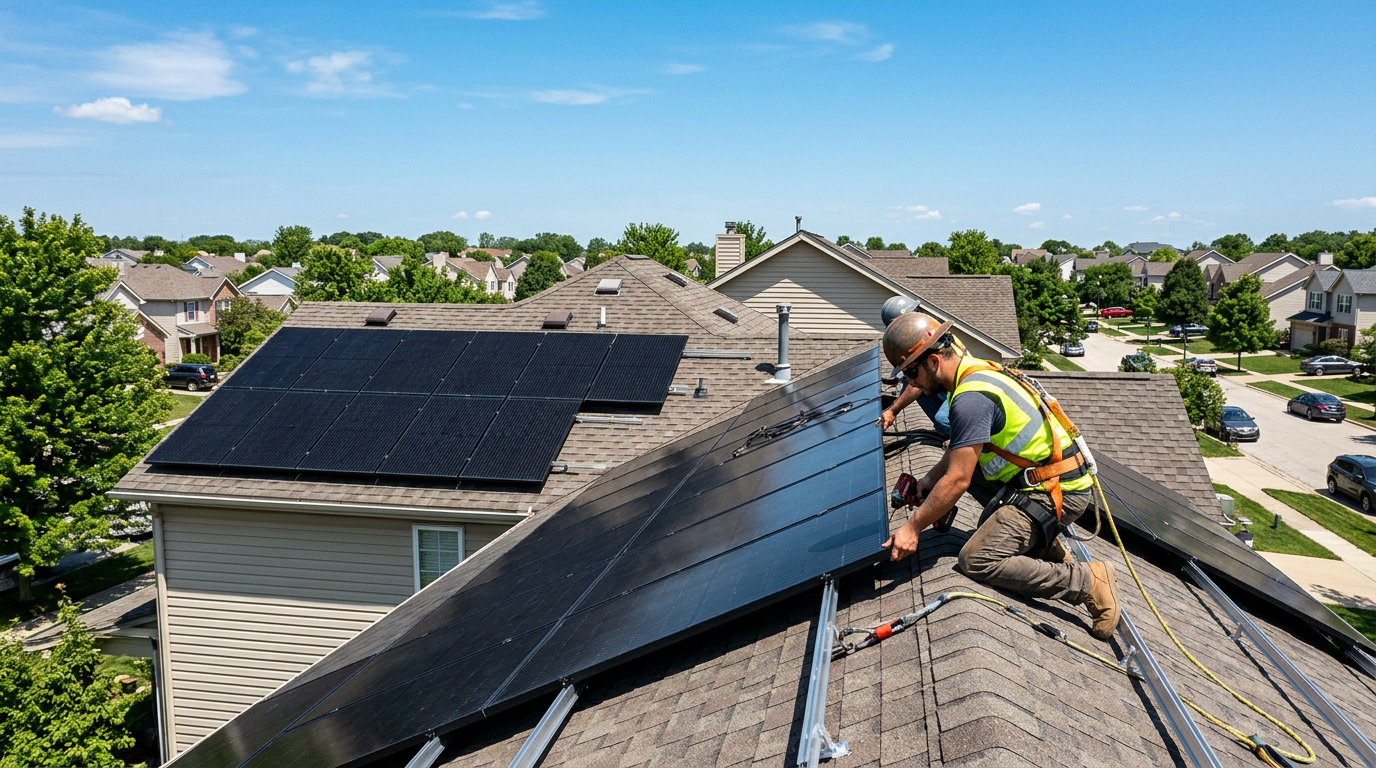
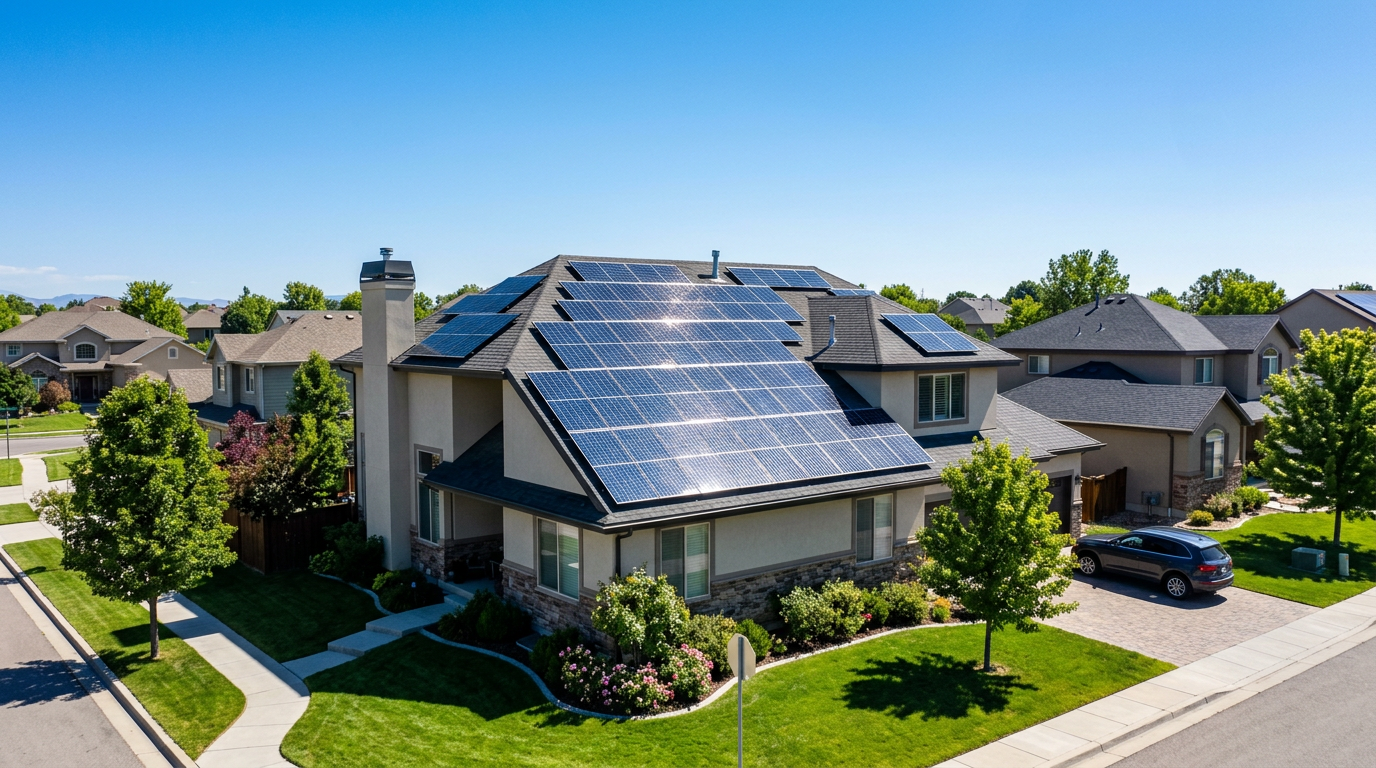
Solar panels convert sunlight into electricity for your home. If your system produces more power than your home is using at that moment, the extra electricity may go to the grid depending on your utility arrangement.
In practical terms, panels are the foundation of a solar setup because they create the energy in the first place.
Panels are usually the first upgrade to consider if your main goal is reducing your reliance on utility power during daytime hours.
We go deeper on this in this rundown — worth a read before you decide anything.
They can offset a portion of your usage, but the exact impact depends on how much electricity your home uses, how much roof space you have, and how much sun your property receives.
A knowledgeable installer should help estimate whether your roof can support a system sized for your needs.
→ See what you could be approved for — free, takes about 60 seconds.
Panels may be a better first buy if:
- You want to start generating your own power right away.
- Your utility offers favorable credit for exported solar electricity.
- You’re mainly trying to reduce daytime electric use.
- You want a simpler system with fewer components.
What a solar battery adds
A solar battery stores electricity for later use. That means you can save some of the energy your panels produce and use it at night or during an outage. But a battery does not create electricity on its own.
Without panels or another charging source, it is just storage.
For households concerned about outages, a battery can be an important resilience upgrade. It may be especially useful if you have medical devices, remote work needs, frequent grid interruptions, or a plan to keep a few essential circuits running.
Sources & further reading
This article is for general information only and is not professional financial, legal, or medical advice.
Tom Bishop — Home & Safety Editor
Tom covers home security, improvement, and energy topics, comparing options on cost, reliability, and real-world performance so homeowners can decide with confidence.
Updated August 2026