
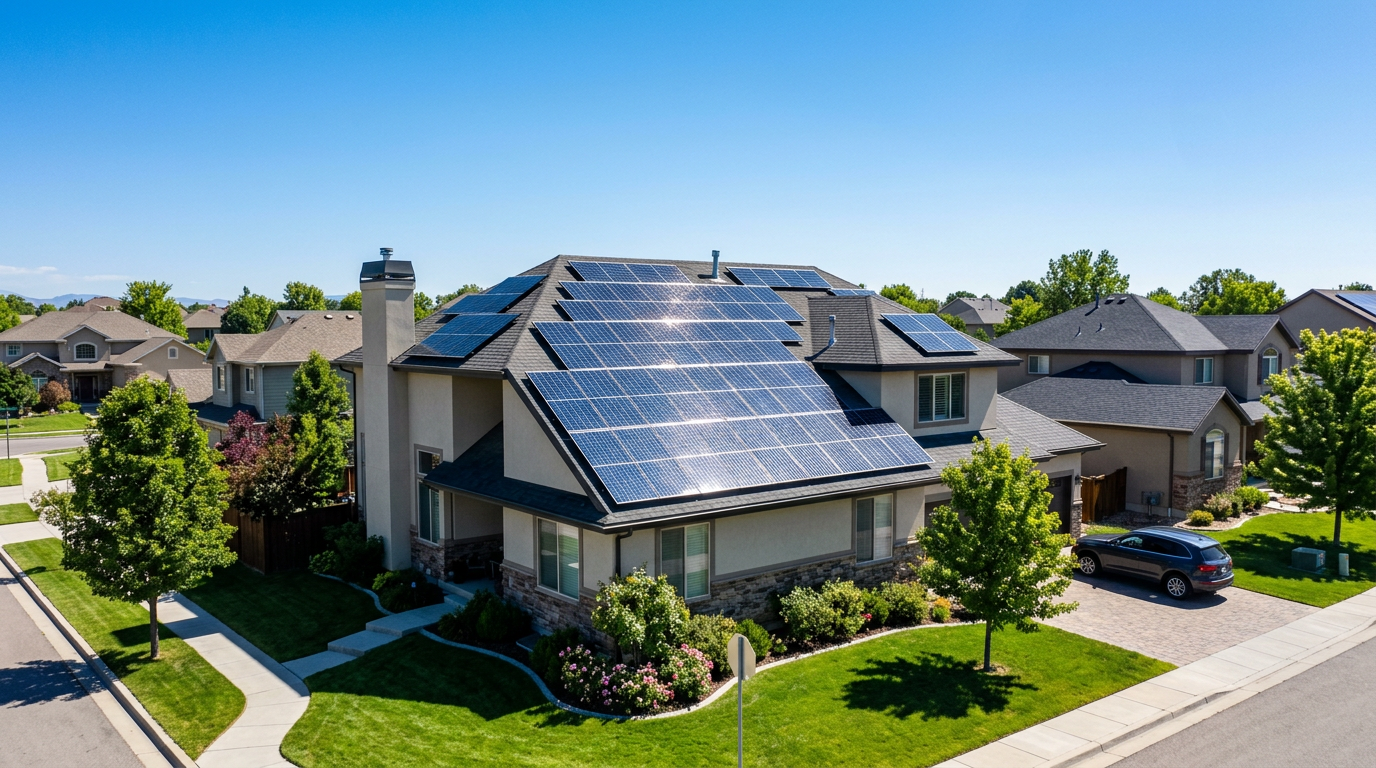
- Panels: brand, model, wattage, and efficiency rating
- Inverter type: string inverter, microinverters, or power optimizers
- Battery storage: if included, note capacity and whether it is optional
If you’re shopping for home solar, the quote is where the real comparison starts. Two proposals can look similar on the surface and still differ a lot in equipment quality, warranty coverage, financing terms, and how much of the system the installer actually stands behind.
Before you sign, it helps to know which details matter most and which ones are easy to overlook.
→ Energy Revolution System — free, takes about 60 seconds.
This guide walks through the parts of a solar quote that deserve close attention so you can compare offers more confidently and ask better questions.
Start with the basics: system size and equipment
Most solar quotes begin with the proposed system size, usually measured in kilowatts. That number is useful, but it does not tell the whole story. A larger system is not automatically better, and a smaller one is not automatically worse.
The important question is whether the design fits your household’s actual electricity use, roof space, and future plans.
Look for these equipment details in every quote:
- Panels: brand, model, wattage, and efficiency rating
- Inverter type: string inverter, microinverters, or power optimizers
- Battery storage: if included, note capacity and whether it is optional
- Monitoring software: what it tracks and whether it costs extra
If one quote uses premium equipment and another uses a basic package, the difference may show up in performance, warranty length, or how the system handles partial shade.
We go deeper on this in how solar & energy actually works — worth a read before you decide anything.
If the proposal does not clearly list the exact model names, ask for them before you compare anything else.
Read the price section line by line
→ See what you could be approved for — free, takes about 60 seconds.
Solar pricing can be presented in a few different ways, which makes direct comparison tricky. Some quotes show a total contract price, while others focus on a monthly payment.
If you are comparing financing offers, try to separate the system cost from the cost of financing .
Useful questions to ask include:
- Is this a cash price, financed price, or both?
- What fees are included in the total?
- Does the quote show hardware, labor, permits, and interconnection work separately?
- Are there extra charges for roof work, electrical upgrades, or monitoring?
Be cautious if a quote highlights a low monthly payment but does not make the financing term clear. A longer term can lower the payment while increasing the total amount paid over time.
Also ask whether the quoted price assumes tax credits or incentives that you may or may not be eligible for.
Sources & further reading
This article is for general information only and is not professional financial, legal, or medical advice.
Tom Bishop — Home & Safety Editor
Tom covers home security, improvement, and energy topics, comparing options on cost, reliability, and real-world performance so homeowners can decide with confidence.
Updated August 2026