
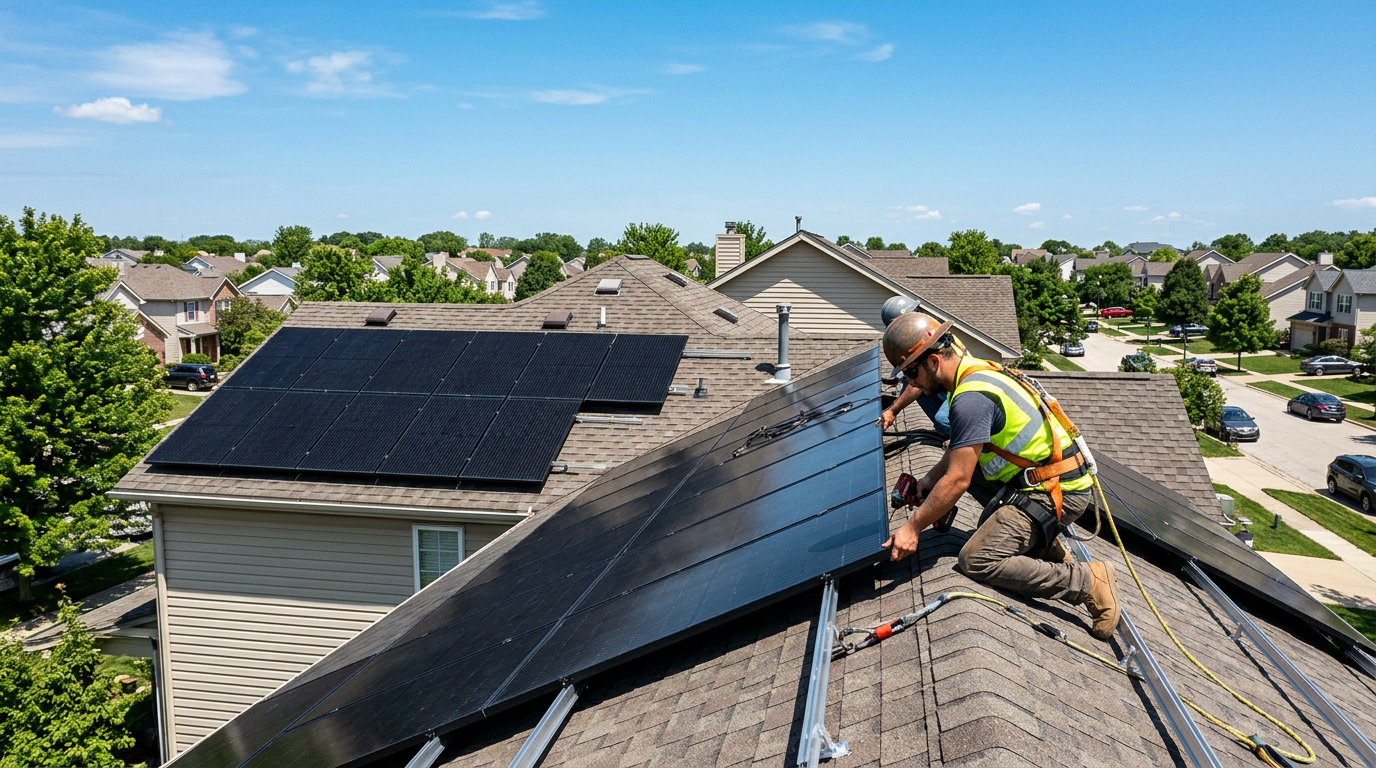
- System size: Usually listed in kilowatts (kW). Bigger is not automatically better if it exceeds your household’s needs
- Panel brand and model: Higher efficiency can help on smaller roofs, but name recognition alone is not a complete quality measure
- Inverter type: String inverters, microinverters, and power optimizers each have tradeoffs for monitoring, shading, and service access
If you’re shopping for rooftop solar, the quote can feel straightforward at first: panels, equipment, monthly payment, and a projected payoff. But the details matter.
A good solar quote should help you compare offers fairly, understand what you’re buying, and know what happens if the system underperforms or your utility rules change.
→ Energy Revolution System — free, takes about 60 seconds.
This guide walks through the parts of a solar quote that deserve a close read, so you can ask better questions before you sign anything.
Start with the system basics
Every quote should clearly identify what is being installed. Look for the system size, equipment brands, and the major components included in the price. If those details are vague, it becomes harder to compare bids apples to apples.
- System size: Usually listed in kilowatts (kW). Bigger is not automatically better if it exceeds your household’s needs.
- Panel brand and model: Higher efficiency can help on smaller roofs, but name recognition alone is not a complete quality measure.
- Inverter type: String inverters, microinverters, and power optimizers each have tradeoffs for monitoring, shading, and service access.
- What’s included: Ask whether the quote covers racking, wiring, permits, interconnection support, and any attic or electrical work.
A quote that bundles everything can be easier to evaluate than one that leaves out major “extras” you may have to pay for later.
We go deeper on this in what to look at first — worth a read before you decide anything.
Understand the price structure
Solar quotes often mix equipment, labor, financing, and incentives in ways that can obscure the actual cost. Before comparing offers, separate the purchase price from the financing terms .
→ See what you could be approved for — free, takes about 60 seconds.
Ask whether the quote is for a cash purchase, a loan, a lease, or a power purchase agreement. These are different arrangements, even if they all sound like “solar for a monthly payment.”
What to check in the payment section
- Upfront payment: Confirm how much is due at signing and what milestones trigger additional payments.
- Interest rate and term: For loans, read the length of the loan and whether the rate is fixed or can change.
- Fees: Look for dealer fees, origination charges, or required third-party costs.
- Promotional pricing: If a low payment depends on a rate buy-down or tax-credit assumption, make sure that is spelled out clearly.
Be careful when comparing a cash quote to a financed quote. A lower monthly payment does not necessarily mean a lower total cost over time.
Sources & further reading
This article is for general information only and is not professional financial, legal, or medical advice.
Tom Bishop — Home & Safety Editor
Tom covers home security, improvement, and energy topics, comparing options on cost, reliability, and real-world performance so homeowners can decide with confidence.
Updated August 2026